This conference delves into the ongoing debate surrounding the complex identification of endocrine disruptors and the implementation of EU regulatory requirements across chemicals legislation. Participants gain practical insights into the application of guidance documents, current testing methods, and the latest scientific and regulatory developments.
The identification of endocrine disruptors (EDs) is one of the most complex and fast‑evolving challenges in EU chemicals regulation. Originally driven by the Biocidal Products Regulation (EU) No 528/2012 and the Plant Protection Products Regulation (EC) No 1107/2009, endocrine disruptor assessment has gained further momentum with the introduction of new ED hazard classes under the CLP Regulation. These changes have far‑reaching implications for chemicals regulated under REACH and increasingly affect downstream sectors such as cosmetics, packaging materials, and consumer products.
Featuring high‑level presentations from experts representing authorities, industry, research organisations, and academia, this conference brings together all relevant stakeholders to share the latest regulatory developments, scientific advances and practical implementation challenges related to endocrine disruptors.
Join the discussion, exchange expertise, and ensure your organisation stays ahead of evolving EU endocrine disruptor requirements
The Conference will be taking place in Cologne/Germany on 12 and 13 November 2026 and you can follow all the exciting contributions via our live stream!
Would you instead prefer to join on-site in Cologne? Then you can find further information here.
Legislative Frameworks and Scientific Foundations
Implementation Across Sectors
Advanced Assessment Approaches
Future Testing Strategies and NAMs
“The meeting was truly excellent in every aspect. The lineup of speakers was outstanding. Chairs did a great job. The topics were relevant and triggered very interesting discussions. The meeting was extremely well organized and created an excellent environment that encouraged great interaction and collaboration among participants.“ – Arianna Bassan, Innovatune, Italy
“The Akademie Fresenius Conference on Endocrine Disruptors is the place to be to understand and discuss the challenges associated with the identification and regulation of endocrine disruptors for human health and the environment. Wisely selected speakers are invited to share latest scientific and regulatory developments, triggering lots of exchanges and discussions with a captivated and engaged audience. A great event “where experts meet”, perfectly orchestrated by a dedicated and very professional organizing team.“ – Laurant Lagadic, Bayer AG, Germany
“An annual meeting of experts on endocrine disruption, bringing together authorities, industry, laboratories and consultants focused on human health and environment, with a single goal: where are we on this topic? Critical issues? Perspectives? Very informative and rich in encounters and knowledge! Thanks to Akademie Fresenius!“ – Maurine Duplaa, CEHTRA, France
“A good place where regulatory science can meet industry needs and case studies.“ – Jürgen Arning, Umweltbundesamt Dessau-Roßlau (UBA), Germany
Who should attend this conference?
Professionals working in the fields of:
Sectors that should take part:
Picture Credit: © Subbotina Anna/shutterstock.com, © chestra - Fotolia.com
PLEASE NOTE: The indicated times refer to Central European Time CET.
For further time zones, please view here.
Emily McVey, National Institute for Public Health and the Environment (RIVM), The Netherlands
Lennart Weltje, BASF Agricultural Solutions Deutschland, Germany
Philip Marx-Stölting, German Federal Institute for Risk Assessment (BfR), Germany
Becky Brown, wca, United Kingdom
Christine Walter, Regulatory Science Associates (rsa), United Kingdom
Dimitra Nikolopoulou, Benaki Phytopathological Institute, Greece
Sam Maynard, AstraZeneca, United Kingdom
Adam Jonáš, REGARTIS, Czech Republic
Katherine Clark, Arxada, Switzerland
Thomas Gude, Independent Consultant, Germany
PLEASE NOTE: The indicated times refer to Central European Time CET.
For further time zones, please view here.
Emily McVey, National Institute for Public Health and the Environment (RIVM), The Netherlands
Lennart Weltje, BASF Agricultural Solutions Deutschland, Germany
Stephanie Melching-Kollmuss, BASF Agricultural Solutions Deutschland, Germany
Charles Hazlerigg, Enviresearch, United Kingdom
Katrin Schütte, European Commission, Belgium (virtually)
Andrea Haase, German Federal Institute for Risk Assessment (BfR), Germany
Gregory Lemkine, Laboratoire Watchfrog, France
Name
Unternehmen

Becky Brown
wca, United Kingdom
Becky Brown is a Director at WCA, an independent employee-owned environmental consultancy. She is an ecotoxicologist specialising in endocrine disruptor assessments and the interpretation of the environmental effects of active substances. Recent projects include highlighting some of the issues associated with measuring vitellogenin in fish, supporting the European Chemicals Agency through a series of internal and external workshops on the new ED hazard criteria, and supporting the Environment Agency of England in developing approaches to derive threshold levels for endocrine-disrupting substances.
mehrweniger
Katherine Clark
Arxada, Switzerland
Katherine Clark is is a board-certified toxicologist (DABT) and leads the Toxicology and Environmental Science team at Arxada, where she has been working for 10 years. She brings extensive experience in regulatory toxicology, human health risk assessment and product safety evaluation. Over the past two decades, she has worked on the assessment of chemicals, biocides and plant protection products, combining regulatory expertise with practical experience in exposure and safety studies. Before joining Arxada, she held positions in regulatory toxicology and scientific research, including work on exposure assessment and nanomaterial safety.
mehrweniger
Thomas Gude
Independent Consultant, Switzerland
Thomas Gude is Managing Director of Thomas Gude GmbH, which specialises in consulting in the areas of food contact materials, food and non-food. After about 30 years with authorities, the pharmaceutical and chemical industries and a long time as the operational manager of a Swiss laboratory, he now deals with risk assessments, especially in the food contact and consumer goods sector. In addition, he teaches at various universities and technical colleges, in particular at ETH Zurich.
mehrweniger
Andrea Haase
German Federal Institute for Risk Assessment (BfR), Germany
With a background in biochemistry, toxicology, and pharmacology, Dr. Andrea Haase completed her PhD at the University of Heidelberg and later obtained her habilitation at Freie Universität Berlin. She is Head of the Fibre and Nanotoxicology Unit and Deputy Head of the Department of Chemical and Product Safety at the German Federal Institute for Risk Assessment (BfR). Her research focuses on New Approach Methodologies (NAMs), nanotoxicology, and next generation risk assessment for nano- and other advanced materials. She is a member of the EFSA Nano Network, and chairs the German Interagency Working Group on Advanced Materials.
mehrweniger
Charles Hazlerigg
Enviresearch, United Kingdom
Charles Hazlerigg is an Ecotoxicologist, UKRI Future Leaders Fellow and IBERA Diplomate based at Enviresearch, UK. He uses ecological modelling approaches to better understand the impacts of chemical stressors on populations. As a member of the Expert Committee on Pesticides (ECP) he also contributes independent, impartial advice to the UK government on the science relating to pesticides.
mehrweniger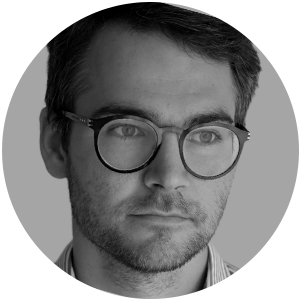
Adam Jonáš
REGARTIS, Czech Republic
Adam Jonáš, Ph.D., ERT, is a regulatory toxicologist and ecotoxicologist with experience in REACH, biocides, plant protection products and pharmaceuticals in the EU and other jurisdictions. He currently works for a consulting CRO and has previously worked for manufacturing companies, including in the role of Global Regulatory Lead. Endocrine-active substances have accompanied him throughout his toxicology career, not only as an important part of his work but also as a personal interest.
mehrweniger
Gregory Lemkine
Laboratoire Watchfrog, France
Gregory Lemkine is the Founder and Chief Executive Officer of Laboratoire WatchFrog. He has a thorough understanding of the technical, scientific side and the marketing of biotechnologies and completed a training/action cycle of HEC school of management. He also holds a PhD in Physiology with a specific interest on the role of hormones to determine neural stem cells.
mehrweniger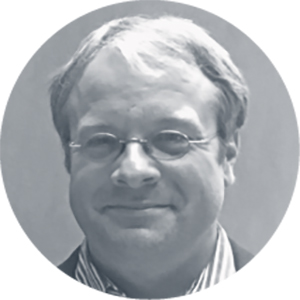
Philip Marx-Stölting
German Federal Institute for Risk Assessment (BfR), Germany
Philip Marx-Stoelting, Dr. rer. nat., ERT, is serving at the German Federal Institute for Risk Assessment as a scientific director heading the unit ‘Testing and assessment strategies’ in the pesticides safety department and the BfR working groups on endocrine disruptors and assessment concepts. He is involved in several large research projects on NAM development and NGRA including RiskHunt3R, Envesome or PARC, where he is leading the work-package ‘hazard assessment’. He has overseen more than 1000 risk assessments and has published more than 90 research papers and standard text book chapters. Philip is a member of the editorial board of Toxicology Letters and Reg Tox Pharm. He is also involved in several expert panels on EU and international (OECD) level and chairing the 3R working group of the German Society for Toxicology (GT) and the Mixture working group of ILMERAC.
mehrweniger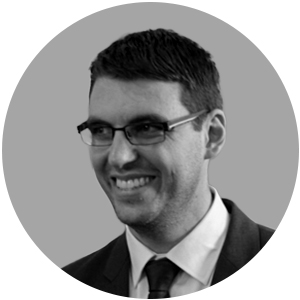
Sam Maynard
AstraZeneca, United Kingdom
Sam Maynard is Director of Environmental Risk Assessment at AstraZeneca. He is an ecotoxicologist and IBERA-certified environmental risk assessor with 20 years of experience and has been working in the pharmaceutical sector at AstraZeneca for the past eight years. Prior to this, he gained experience in the plant protection product industry and in contract research, monitoring and conducting aquatic and terrestrial ecotoxicology studies. He also served as the Partner Expert Group representative for the pharmaceutical industry during the drafting of the endocrine disruptor guidance for Classification, Labelling and Packaging.
mehrweniger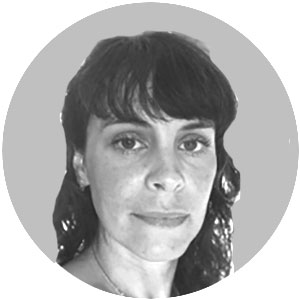
Emily McVey
National Institute for Public Health and the Environment (RIVM), The Netherlands
Emily McVey is an experienced Regulatory Toxicologist and works at the Dutch National Institute for Public Health and the Environment (RIVM). Her specialties include environmental toxicology, wild vertebrates (birds, mammals, amphibians, fish), molecular mechanisms of toxicity, neurodevelopmental toxicity and endocrine disruption testing and assessment.
mehrweniger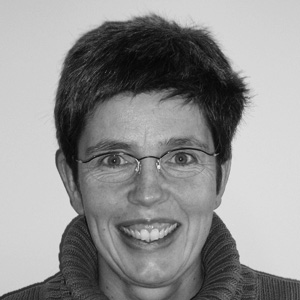
Stephanie Melching-Kollmuss
BASF Agricultural Solutions Deutschland, Germany
Stephanie Melching-Kollmuss has been working in the field of regulatory toxicology for chemicals and plant protection products for over 20 years, for more than 15 years at BASF SE. Her special interest is in endocrine disruption, mainly on the thyroid modality. Stephanie chaired the ECETOC Thyroid Task Force on how to assess thyroid-hormone related neurodevelopmental toxicity, which resulted in a number of publications; based on which criteria to support EU classifications were developed and applied to data-rich case studies.
mehrweniger
Dimitra Nikolopoulou
Benaki Phytopathological Institute, Greece
Dimitra Nikolopoulou is a European Registered Toxicologist (ERT) and has worked as a Regulatory Toxicologist at the Benaki Phytopathological Institute (BPI), the Greek Competent Authority for the risk assessment of pesticides and biocides, since 2000. She routinely conducts and supervises the evaluation of in silico, in vitro and in vivo toxicological and endocrine-disruption data relevant to human health, in accordance with EFSA, ECHA, OECD and USEPA guidance. She has contributed to the preparation of more than 30 Draft Assessment Reports, Renewal Assessment Reports and Competent Authority Reports. She serves as the Greek national representative at EFSA Pesticide Peer Review meetings on mammalian toxicology and as a Core Member of the ECHA Biocidal Products Committee Working Group on Human Health. She has also contributed to EFSA Working Groups on the cumulative risk assessment of pesticides, metabolites common to several pyrazole active substances, and cyclamates. She has participated in several EU-funded projects and partnerships, including PARC, EuroMix and EFSA projects providing technical support in toxicology. Within PARC, she leads Task 6.3 on the review of risk assessment methodologies and manages the project “Towards a Harmonised Approach in Chemical Risk Assessment”. She is also involved in implementing case studies on endocrine-disruption assessment, integrated approaches to testing and assessment (IATA) for genotoxicity and human relevance.
mehrweniger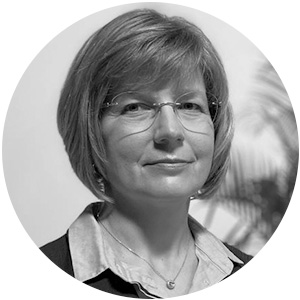
Katrin Schütte
European Commission, Belgium
Katrin Schütte is a policy officer at the EU Commission's Directorate for the Environment, which she joined in 2014. Her responsibilities cover several aspects of REACH as well as the area of non-animal testing methods and in this context the drafting and implementation of the EU Roadmap towards phasing out animal testing for chemical safety assessments.
mehrweniger
Christine Walter
Regulatory Science Associates (rsa), United Kingdom
Christine Walter is a regulatory toxicologist and has been working as a consultant for Regulatory Science Associates (RSA) since 2023. Previously, she gained more than 15 years of experience in toxicology and regulatory roles in both the agrichemical industry and pharmaceutical consultancy sectors. She has contributed to multiple human risk assessments including ED Assessments, investigative mode of action work and regulatory submissions. She holds a PhD in Biochemistry.
mehrweniger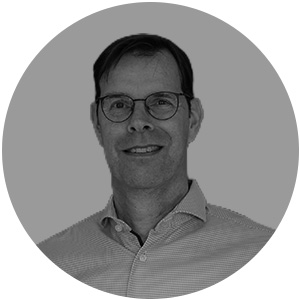
Lennart Weltje
BASF Agricultural Solutions Deutschland, Germany
Lennart Weltje holds a PhD in ecotoxicology and environmental chemistry and currently works as a Senior Ecotoxicologist at BASF Agricultural Solutions Deutschland conducting risk assessments for PPPs and biocides. He is also an honorary Professor at the Faculty of Agricultural Sciences of the Georg-August University in Goettingen. His former stations include the Dutch National Institute for Public Health and the Environment (RIVM).
mehrwenigerTeilnahmepreis: € 1.195,00 zzgl. MwSt.
Im Teilnahmepreis sind folgende Leistungen enthalten:
Vertreter:innen einer Behörde oder einer öffentlichen Hochschule erhalten einen ermäßigten Teilnahmepreis von € 695,00 zzgl. MwSt. (Nachweis per Fax oder E-Mail erforderlich). Der Sonderpreis ist nicht mit anderen Rabatten kombinierbar.
Gruppenrabatt
Bei gemeinsamer Anmeldung aus einem Unternehmen erhalten die dritte und jede weitere Person 15 % Rabatt.
Buchen ohne Risiko
Die Teilnahme an unseren Online-Veranstaltungen können Sie bis zu 1 Woche vor Veranstaltungsbeginn kostenfrei und ohne Angabe von Gründen schriftlich stornieren. Bei späteren Stornierungen sowie bei Nicht-Login zur Online-Veranstaltung können keine Teilnahmegebühren erstattet werden.
Sie erhalten jedoch in diesem Fall von uns nach der Veranstaltung Zugang zu den Dokumentationsunterlagen.
Eine Ersatzperson können Sie jederzeit kostenfrei benennen.
Wären Sie gern dabei gewesen, sind jedoch zeitlich verhindert?
Zum Preis von 295,00 € zzgl. MwSt. können Sie alle Vorträge als pdf zum Download bestellen. Sie erhalten dann einige Tage nach der Veranstaltung die Zugangsdaten zum Downloadbereich unserer Website. Dort finden Sie alle Vorträge in digitaler Form (die Zustimmung der Referent:innen vorausgesetzt) und in der aktuellsten Version.
Claudia Werner
Inhalt und Konzeption
+49 231 75896-83
cwerner@akademie-fresenius.de
Claudia Werner
Inhalt und Konzeption
+49 231 75896-83
cwerner@akademie-fresenius.de
Claudia Werner
Inhalt und Konzeption
+49 231 75896-83
cwerner@akademie-fresenius.de
Alexandra Schardt
Organisation und Teilnehmermanagement
+49 231 75896-74
aschardt@akademie-fresenius.de
Alexandra Schardt
Organisation und Teilnehmermanagement
+49 231 75896-74
aschardt@akademie-fresenius.de
Präsentieren Sie Ihr Unternehmen auf unserer Veranstaltung.
Persönlich und zielgruppengenau stellen Sie Ihre Produkte und Dienstleistungen vor. Gerne informieren wir Sie unverbindlich über die verschiedenen Möglichkeiten – von der Auslage von Produktinformationen bis hin zum Ausstellungsstand.
Gerne beraten wir Sie persönlich:
Monika Stratmann
Telefon: +49 231 75896-48
info@akademie-fresenius.de
Wir bieten Journalist:innen und Redakteur:innen eine Plattform, um in Kontakt mit Expert:innen zu treten.
Wenn Sie als Redakteur:in der Fachpresse Interesse an einem Pressepass oder einer Medienpartnerschaft haben, kontaktieren Sie uns bitte frühzeitig. Wir beraten Sie gerne.
Sprechen Sie uns an:

Katharina Geraridis
Telefon: +49 231 75896-67
presse@akademie-fresenius.de

Zertifiziert nach DIN EN ISO 9001 und DIN EN ISO 50001
Infos zu unseren aktuellen Veranstaltungen anfordern:
© Die Akademie Fresenius GmbH